Monday, September 30, 2024

Opinion: New Delhi's Air Quality Can Choke Its Geopolitical Influence

Latest and Breaking News on NDTV

In an ongoing hearing, the Supreme Court of India has decried the Commission for Air Quality Management (CAQM) for not serving its purpose. The Commission was set up in 2021 through an ordinance after the Air Quality Management in National Capital Region and Adjoining Areas Act 2021 was introduced in the Lok Sabha on July 30, 2021. What the apex court has observed is that three years, millions of dollars, and several opportunities have gone down the drain while India's capital, yet again, prepares to choke.

People of New Delhi, policymakers and plebeians alike, seem to have eased into the city's toxicity: polluters continue to pollute without any fear of penalty or punishment, and the wealthy find ways to avoid being in the city during the choke months - November to February. The world, however, is watching the poison in Delhi's air with a bated breath.

The 'Hardship Allowance'

Earlier this year, New Delhi was adjudged to be the most polluted capital city in the world, according to the sixth Annual World Air Quality Report. The city's air has PM2.5 concentrations that are more than ten times the WHO annual guideline. This factoid on paper reads straight out of a dystopian work. The US Department of State categorises New Delhi as a city that merits a "Post (Hardship) Differential" allowance. The hardship allowance for being posted to India's capital is pegged at 25% of basic compensation - the same as the bombed-out Beirut or the regional posts in Antarctica or the Arctic Circle. In 1997, this allowance used to be 10%.  

What it means on an everyday basis is even more disturbing. Despite a substantially heftier pay packet, diplomats are hesitant. Delhi is scary. It is no coincidence that most embassies and high commissions begin to show signs of thinning personnel strength post-autumn every year. The 'holiday' season starts early in New Delhi. There are two ways of reacting to this phenomenon: brushing it off as typical Global North snobbery or assessing the implications of being treated at par with a war zone.

Passing The Buck, Every Year

New Delhi's inability to control pollution is seen as a failure of the country's democratic governance. It is, after all, commonsensical to ask how robust the mechanisms of the world's largest democracy are when they cannot ensure even clean air in the national capital region. What the world witnesses is a perpetual passing-the-buck game every year while hazardous conditions continue to jeopardise people's health and livelihoods.

India's biggest calling card in the global arena is its unwavering commitment to democracy. This is what sets New Delhi apart from other capitals like Beijing or Abu Dhabi in terms of promise. The failure to check the pollution hazard becomes a stick with which to beat India's democracy. Can we afford this undermining?

Let's take the geopolitics aspect of environmental deterioration a little further. In 2010, the Middle East region saw a sharp decline in air pollution levels, becoming an outlier. Reduced economic activity due to sanctions and conflicts was cited as the primary driver for this phenomenon. For example, the UN-backed sanctions on Iran led to lower emissions from oil tankers in the Persian Gulf. Strife in Syria precluded any industrial growth, leading to a significant improvement in the air quality. How long before the rich and the powerful get certain ideas on tackling environmental deterioration? 

India Can't Just Wish Away The Problem

India has been promoting itself as a powerful player in the global security gambit. It seems to be getting almost too sure of its importance. However, when it comes to environmental policy, European and North American countries might want to weather the geopolitical risks. A 2023 study published by the Journal of Environmental Management indicates that while "geopolitical risks significantly influence environmental policy" in many EU member states, "environmental policy causes geopolitical risks only in Latvia". The message is clear. Perceived geopolitical risks are unlikely to undermine environmental policies. Is India certain of cushioning itself against this altered approach that renders it not so important anymore?

Already, India is being decried as one of the world's most significant polluters. Our prickliness and denunciation of such proclamations cannot mitigate their reputational damage.  

There are further complications to New Delhi's air issue. While we are somewhat fortunate to have even more polluted neighbours - Bangladesh and Pakistan - a diplomatic event with the potential to become territorial and military cannot be ruled out. Recently, the South Korean government monitored and quantified the influence of border-crossing particulate matter from China. This is literally taking the fight to atmospheric levels. Pakistan, along similar lines, blames the farm fires of Punjab (and Haryana) directly impacting Lahore's air quality.

New Delhi can continue to sit and watch the many fires in its backyard without changing the status quo. However, it should be prepared for the consequences such a signalling may entail. 

(Nishtha Gautam is a Delhi-based author and academic.)

Disclaimer: These are the personal opinions of the author


from NDTV News- Topstories https://ift.tt/raI4FCN
Anupam Kher Instead Of Gandhi On Fake Notes, Actor Says "Anything Can Happen"

It's no secret that veteran actor Anupam Kher is an invaluable asset to Indian cinema. However, the counterfeiters in Gujarat cranked up his value when they decided to paste his picture on fake Rs 500 denomination notes worth Rs 1.6 crore.

The incident came to light when two unidentified men duped an Ahmedabad bullion trader using fake notes featuring Bollywood actor Anupam Kher instead of Mahatma Gandhi.

Another interesting thing is that the notes have 'Resole Bank of India' printed on them, instead of 'Reserve Bank of India'. Images of the fake notes have gone viral on social media with many expressing shock at the incident, while others found it amusing.

Among them is Anupam himself, as he expressed his amusement at the incident. He took to his Instagram recently and shared a news clip of the fake currency bust.

He wrote in the caption, "My photo instead of Gandhi's photo on the note of five hundred???? Anything can happen".

Anupam Kher, who made his acting debut with the Mahesh Bhatt directorial 'Saaransh', is considered one of the finest actors in Indian cinema, he has played a variety of characters including numerous critically acclaimed leading or supporting roles.

His accolades include two National Film Awards. The Government of India honoured him with the Padma Shri, the fourth-highest civilian award of the Republic of India in 2004 and the Padma Bhushan, the third-highest civilian award in 2016 for his contribution to Indian cinema and arts.

Meanwhile, on the work front, the actor will be next seen in the Kangana Ranaut directorial 'Emergency', which is based on the former Prime Minister of India, Indira Gandhi. The film has run into controversies over its censor certificate, and its release has been pushed many times.

(Except for the headline, this story has not been edited by NDTV staff and is published from a syndicated feed.)


from NDTV News- Topstories https://ift.tt/L5Xptiv

Sunday, September 29, 2024

"Most Difficult Decision": Thai Farmer Forced To Kill Over 100 Crocodiles

A farmer in northern Thailand was forced to cull more than 100 crocodiles from his farm as heavy floods raised fears that they could escape and pose a threat to human lives. Natthapak Khumkad, the owner of a crocodile farm in Lamphun, explained that days of relentless rain had severely damaged the enclosures holding his Siamese crocodiles.

With the animals at risk of escaping, he decided to kill 125 crocodiles, which measured up to three meters long. Mr Khumkad was particularly concerned that the reptiles might roam the flooded countryside, potentially attacking locals and animals.

The incident, reported by CNN on Friday, took place in the Lamphun province following devastating monsoon rains that have swept across the region. In September, northern Thailand was hit by intense monsoon rains, which resulted in landslides and floods that killed over 20 people.

"I had to make the most difficult decision of my life to kill them all. My family and I discussed if the wall collapsed the damage to people's lives would be far bigger than we can control. It would involve people's lives and public safety," the farmer told CNN.

In a Facebook post, Natthapak Khumkad showed the eroded walls of the crocodile pond and explained, "This was the primary reason that forced me to make an urgent decision. On that day, it rained heavily non-stop. The underwater wall collapsed, which was very close to reaching the outer wall."

He clarified that although his staff attempted to block off the area to fix the pond as soon as possible, the unceasing rain made the situation dangerous.

"It was a crisis that required an extremely urgent decision. I had to use the last resort, which was to remove the crocodiles from the farm by slaughtering them. If it wasn't absolutely necessary, we wouldn't have used this method. It was the best, fastest, and safest method in that situation, with the rain still pouring incessantly. Thank you for all the encouragement and understanding.," Natthapak added.


from NDTV News- Topstories https://ift.tt/g9VjYft

Saturday, September 28, 2024

New Revelations About Princess Diana, Rumours On Harry's "Biological Father"

After years of rumours and speculations that Princess Diana's riding instructor James Hewitt, and not King Charles, is the biological father of Prince Harry, a new memoir has shed some light on the nature of their relationship. For years, a few similarities between Hewitt and Harry -- ginger hair and freckles -- led to such rumours.

Richard Dalton, Diana's hairdresser, has now weighed in on the controversy and even detailed his friendship with the late Princess in a new memoir, “It's All About the Hair”.

“It's not possible,” Dalton told Fox News Digital

“It was tough... Harry was already born a while before her relationship with Hewitt. And I don't think it's possible.” To support his statement, Dalton claimed even Princess Diana's brother and sister had "bright red hair".

“Harry and the Spencer family have red hair. Charles, Diana's brother, had bright red hair when he was (in) college,” he said, adding he used to cut his hair back then.

He added that Sarah, Diana's sister, also has bright red hair, while her other sister Jane was "more or less the same colouring as Diana."

In his book, Dalton said that Diana “used to get very upset” over the reports of Hewitt being called Harry's father, adding that the "red hair was a trait from the Spencer family".

Diana and Hewitt met each other for the first time in 1986, two years after Harry's birth in 1984, according to reports.

Harry was born “long before Diana even met James Hewitt,” Dalton wrote in his book, adding the two had a "love affair," which lasted three years between 1989 and 1991. Both Harry and Hewitt have addressed the rumour in the past.

Last year, Harry sued an outlet for apparently using unlawful techniques "on an industrial scale" to score on his life. 

"Numerous newspapers had reported a rumour that my biological father was James Hewitt, a man my mother had a relationship with after I was born," Harry said in a written statement.

"At the time of this article and others similar to it, I wasn't actually aware that my mother hadn't met Major Hewitt until after I was born," he added.

In 2002, Hewitt himself addressed the gossip and said, "There really is no possibility whatsoever that I am Harry's father. I can understand the interest, but Harry was already walking by the time my relationship with Diana began."


from NDTV News- Topstories https://ift.tt/wehqUsy

Friday, September 27, 2024

Opinion: How Bengal, Once An Economic Powerhouse, Lost Its Shine

Latest and Breaking News on NDTV

West Bengal, once a dominant player in India's economy, has seen a consistent decline in both its share of India's GDP and its relative per capita income over the past six decades. In 1960-61, West Bengal contributed 10.5% to the national GDP, ranking third among Indian states, but this share has shrunk significantly to 5.6% in 2023-24, according to data from the Ministry of Statistics and Programme Implementation (MoSPI). The data has been collated in a working paper by the Economic Advisory Council to the Prime Minister by Sanjeev Sanyal & Aakanksha Arora. This decline is even more evident in terms of per capita income. Once boasting a per capita income 127.5% of the national average, West Bengal now sits at only 83.7%.

West Bengal's economic decline, particularly in comparison to its counterparts Maharashtra and Tamil Nadu, reflects a marked divergence in growth trajectories since the 1960s. At the time of independence, West Bengal, along with Maharashtra and Tamil Nadu, was an industrial powerhouse, with Calcutta being one of the largest industrial clusters in the country. However, while Maharashtra maintained its economic standing and Tamil Nadu surged after the 1991 liberalisation, West Bengal's decline began as early as the 1960s. The state's share in India's GDP fell from 10.5% in 1960-61 to a mere 5.6% by 2023-24, the sharpest drop among all states. This decline persisted even after economic liberalisation, which benefited other regions. As a result, West Bengal's industrial and economic prominence has significantly eroded, leaving it lagging behind its former peers.

Share of Maharashtra, Tamil Nadu and West Bengal in India's GDP (Source: EAC-PM Working Paper)

Share of Maharashtra, Tamil Nadu and West Bengal in India's GDP (Source: EAC-PM Working Paper)

In contrast, Odisha, a state that historically lagged behind in most economic indicators, has undergone a significant transformation. From a relative per capita income of 54.3% in 1990-91, Odisha now stands at 88.5% in 2023-24, a remarkable turnaround that highlights the divergent paths of the two states.

Relative per capita income of West Bengal, Odisha and Assam. (Source: EAC-PM Working Paper)

Relative per capita income of West Bengal, Odisha and Assam. (Source: EAC-PM Working Paper)

The key difference between West Bengal and Odisha lies in their respective responses to national economic reforms, particularly those initiated in 1991. While West Bengal failed to capitalise on liberalisation, Odisha took full advantage of these changes to spur growth. Studies such as Ahluwalia's (2000) and the OECD's report on India's regional development (2014) attribute West Bengal's decline to policy inertia, a challenging business environment, and rigid labour laws. The state, known for its historically militant trade unions and restrictive labour regulations, deterred private investment, especially in manufacturing and industry. On the other hand, Odisha pursued a series of reforms to improve its business climate. As noted in a 2019 NITI Aayog report, Odisha made strides in ease of doing business by simplifying regulations, improving infrastructure, and actively courting foreign and domestic investors.

How Odisha Turned Its Fate

Odisha's success can be traced to its focus on industrial development, infrastructure investment, and governance reforms, particularly after the early 2000s. The state implemented several proactive policies to attract investment in sectors such as mining, steel, and manufacturing. According to a World Bank report on Indian states (2017), Odisha's government focused on creating investor-friendly policies, reducing red tape, and modernising its industrial policies, which in turn attracted major players like Tata Steel and Vedanta.

These reforms, combined with improvements in connectivity and infrastructure, helped Odisha's economy grow at a faster pace than its peers, including West Bengal. Odisha's share in India's GDP, while still modest, has increased, and its per capita income has grown steadily. West Bengal, by contrast, has seen its industrial base erode, with key industries like jute and textiles failing to modernise, leading to stagnation in both output and employment.

West Bengal And Odisha: Two Different Trajectories

The divergence in economic trajectories between West Bengal and Odisha is also reflected in social and human development indicators. According to the multidimensional poverty index, Odisha has made significant improvements in literacy, life expectancy, and poverty reduction, driven by its economic growth and targeted welfare programmes. West Bengal, while performing relatively well in literacy and health metrics, has not been able to convert these into sustained economic gains. Odisha's focus on inclusive growth, particularly its emphasis on poverty alleviation programmes, has resulted in significant reductions in poverty rates, from 57% in 2004-05 to 32% in 2011-12, as per Planning Commission data. In contrast, West Bengal's poverty reduction has been more sluggish, with entrenched rural poverty remaining a challenge despite various government schemes.

The Union government may come up with the headcount ratio once the HCES data is fully released. However, in the absence of this data, the Multidimensional Poverty Index offers insights into poverty levels. A closer examination of the state-wise percentage point change in headcount ratio between 2015-16 and 2019-21 reveals a stark contrast: Odisha saw a significant decline of 13.68%, whereas West Bengal's reduction was only 9.41%. This disparity highlights how West Bengal's progress in reducing poverty has lagged behind, even when compared to Odisha.

Bengal's Reliance On Agriculture

One of the critical factors in Odisha's success has been its ability to transition from an agrarian economy to an industrial one, while West Bengal has remained overly dependent on agriculture. As per the Reserve Bank of India's 'Handbook of Statistics on Indian States' (2022), the share of agriculture in Odisha's Gross State Domestic Product (GSDP) declined from 37% in 1990-91 to around 16% in 2020-21, while the industrial sector's share increased correspondingly. This shift towards a more diversified economy has been crucial in driving sustained economic growth in Odisha. West Bengal, on the other hand, continues to rely heavily on agriculture, which remains vulnerable to climatic changes and price fluctuations. Despite being an early leader in industry, West Bengal's industrial growth has stagnated, with the state failing to attract significant new investment or develop new sectors beyond traditional industries like jute and textiles.

The role of governance and political stability cannot be ignored in explaining the contrasting economic trajectories. Odisha has experienced consistent political stability, allowing for long-term planning and execution of reforms. The state government has been credited with reducing corruption, improving governance, and implementing policies that foster industrial growth and infrastructure development. In contrast, West Bengal's political landscape has been more turbulent, with frequent changes in leadership and governance styles.

Odisha's Approach To PPP

Moreover, Odisha's approach to public-private partnerships (PPP) in infrastructure development has been significantly more successful than West Bengal's. As per the Economic Survey of India (2021-22), Odisha has successfully leveraged PPP models to build roads, ports, and industrial parks, which have further fuelled industrial growth. The Paradip Port in Odisha, for instance, has become a major hub for both domestic and international trade, providing a crucial advantage for industrial activities in the state. West Bengal, despite having the strategic Kolkata Port, has not been able to replicate such success due to inefficiencies, political bottlenecks, and a lack of coordinated investment in infrastructure. The state's inability to modernise its port and transport infrastructure has further contributed to its declining economic relevance.

Without meaningful reforms, state governments risk failing their citizens by allowing stagnation and economic decline to persist. West Bengal's steady fall from an industrial leader to a state with diminishing GDP share and per capita income exemplifies the consequences of policy inertia and poor governance. In contrast, Odisha's proactive reforms, improved business climate, and strategic focus on infrastructure and industrial growth have driven its remarkable economic transformation. If states like West Bengal do not prioritise structural reforms, enhance governance, and diversify their economies, they will continue to lag behind, failing to meet the aspirations of their people.

(Bibek Debroy is Chairman, Economic Advisory Council to the Prime Minister, and Aditya Sinha is OSD, Research, Economic Advisory Council to the Prime Minister)

Disclaimer: These are the personal opinions of the author


from NDTV News- Topstories https://ift.tt/ZkNzDiP

Thursday, September 26, 2024

Opinion: Opinion | The Karnataka Conundrum: The Road Ahead For A Chastened Siddaramaiah

A huge court setback for Karnataka Chief Minister Siddaramaiah means he can be prosecuted in a land scam that threatens to upend his government and his long political career.

The Karnataka High Court on Tuesday rejected Siddaramaiah's petition challenging the Governor's August 16 order sanctioning action against him in a case of "unlawful" allotment of 14 housing plots to his wife Parvathi in Mysuru.

Siddaramaiah was expecting a favourable verdict in the MUDA (Mysore Urban Development Authority) land scam case, dubbed by many as the Chief Minister's "MUDA muddle".

As Siddaramaiah faces resignation calls, the ruling Congress - and its Delhi leadership - is struggling with damage control.

The Chief Minister has batted away the demands for his resignation, asserting that he will fight the case and win. He has also accused the BJP and Janata Dal (Secular) of a conspiracy to weaken the Congress government.

Now that his position is wobbly, perhaps his biggest threat is in-house - DK Shivakumar, his deputy and rival, who has never masked his ambition to hold the top post.

Legal Options

In its order, the single judge bench of Justice M Nagaprasanna said that it was difficult to accept that Siddaramaiah was not 'behind the curtain' during the MUDA land deal, in which his family allegedly benefitted approximately Rs 56 crore.

"The facts narrated in the petition would undoubtedly require an investigation...(given) that the beneficiary of all these acts is not anybody outside, but the petitioner's wife," remarked Justice Nagaprasanna, endorsing Governor Gehlot's sanction for prosecution under Section 17A of Prevention of Corruption Act and Section 218 of the new Bharatiya Nagarik Suraksha Sanhita, 2023.

The Governor's sanction came in response to requests from activists TJ Abraham, Pradeep Kumar SP and Snehamayi Krishna. The court order allows the three RTI activists to approach an anti-corruption agency such as the Karnataka Lokayukta police to seek a probe.

A Karnataka Special Court has now ordered a Lokayukta probe into the allegations.

Siddaramaiah can approach a larger bench of the High Court or the Supreme Court against Judge Nagaprasanna's decision. His legal team is weighing the options.

Congress's Dilemma

For the Congress leadership, this crisis is a test of its political acuity. If it asks Siddaramaiah to go, it invites more opposition attacks. If it doesn't, it loses moral high ground and also sets itself up for political instability, with Siddaramaiah as potential troublemaker.

It is a delicate high wire act for the Congress, also because any forced leadership change may alienate the AHINDA (a Kannada acronym for Minorities, OBC, and Dalits) voters who form Siddaramaiah's support base.

Siddaramaiah has the support of party MLAs, more than Shivakumar. But if the Congress considers a third option, Shivakumar will cause trouble. For now, Shivakumar is publicly supporting Siddaramaiah for the sake of 'unity'. The party "stands with Siddaramaiah", he said on Tuesday, calling the cases a "conspiracy of the BJP" against rival parties across the country.

People close to the Chief Minister say Siddaramaiah is a fighter and that he has the backing of the high command. And that he will never capitulate or submit to "intimidation or conspiracy".

The controversy has weakened the Congress in Karnataka, a state it won last year, with the focus shifting from governance to corruption allegations. With Siddaramaiah entangled in legal battles, the government's social welfare schemes are bound to be neglected and mismanaged.

"As of now, Siddaramaiah will continue as chief minister. The question of the next chief minister may not arise. However, it is possible that the party might face some disturbances within," says Harish Ramaswamy, political analyst.

"As for the Congress party, the question is how it controls its cadres and MLAs at this time," he added.

Opposition Upbeat

The opposition BJP, still smarting from its defeat in the 2023 state election, is aggressively demanding Siddaramaiah's removal and an impartial investigation conducted by the CBI. The party's Karnataka ally JD(S) is also elated. Taking to social media, the JD(S) referred to Siddaramaiah as "Whitener Ramaiah" with "black spots" of corruption.

With a chastened Siddaramaiah facing heat from a rejuvenated opposition, the High Court verdict could have far-reaching consequences in Karnataka.

Shortly after the court's decision on Tuesday, BJP state president BY Vijayendra and opposition leader R Ashok held a press conference in Bengaluru, where they called for Siddaramaiah to step down.

"The High Court's decision confirms the allegations of corruption and I urge the chief minister to respect the legal process. The High Court has upheld the Governor's order for prosecution. It is now time for Siddaramaiah to resign from his post as chief minister," said BJP state chief BY Vijayendra, the son of former chief minister BS Yediyurappa.

The Congress may feel the impact in the short run, but it has to strategise for the long game.

The opposition will likely have an upper hand in the upcoming by-elections in three seats - Channapatna, from where JD(S)' HD Kumaraswamy was sitting MLA; Shiggaon vacated by Basavaraj Bommai of BJP, and Sandur vacated by E Tukaram of Congress. All three were elected to parliament in June.

"The dent in the Congress party will soon be evident, depending on how far the opposition capitalising on the court decision. Let's see who has the upper hand in this political battle," says Ramaswamy.

(The author is Contributing Editor, NDTV)

Disclaimer: These are the personal opinions of the author


from NDTV News- Topstories https://ift.tt/htnsWeQ

Wednesday, September 25, 2024

Musk Reacts After Vinod Khosla Demands Apology For Spreading False Claims

Prominent Indian-American businessman Vinod Khosla and billionaire Elon Musk had a public war of words over a land battle in California and an allegedly altered image of a sign on a beach. It all started after Elon Musk posted a seemingly AI-generated picture of a beach sign that read "No plebs allowed. Property of Vinod Khosla" - a reference to a 16-year-long legal battle Mr Khosla has undertaken to restrict the use of his private property to access the public Martins Beach, Forbes reported. 

Sharing the image on X on Saturday, Mr Musk claimed that Mr Khosla had put it up on his property. However, the billionaire venture capitalist vehemently denied putting up any such sign and demanded an apology from Mr Musk after his "lie" resulted in negative press for him. "You owe me an apology for spreading falsehoods. I think this post of yours needs a community comment for being a fraudulent photo. I have never put up this sign or anything even remotely like this. I presume it is AI generated but you can verify that," wrote Mr Khosla. 

Mr Musk then responded to Mr Khosla in his trademark style. "Sorry, I made a sign about you restricting access to a public beach. That was so extremely terrible. Please forgive me," the billionaire wrote.

Take a look below: 

Notably, according to Forbes, Mr Khosla bought a piece of land in 2008 that previously served as a paid parking lot for Martins Beach south of San Francisco. Mr Khosla has said he no longer wants the privately owned property to be publicly accessible and has been battling with the state over the issue for almost two decades, including a rejected appeal to the Supreme Court in 2018. 

Also Read | Is Musk "Dating" Meloni? What He Said On Viral Pic With Italy PM

Elon Musk, however, used this issue to fuel a longstanding dispute between the pair that has seen them trade barbs over the 2024 election, the development of artificial intelligence and immigration issues. 

Previously, the two have also publicly argued about ChatGPT parent OpenAI. Mr Khosla has also called a conversation between Mr Musk and Donald Trump "dumb". Mr Musk, on the other hand, claimed Mr Khosla was "deranged about Trump". The billionaires even sparred on X over Mr Trump's false claims about Haitian immigrants. 


from NDTV News- Topstories https://ift.tt/xaXHMW7

Opinion: The Real Reason US Keeps Accusing Russia Of Meddling In Its Elections

Latest and Breaking News on NDTV

Earlier this month, the US administration sounded the alarm on Russia's alleged attempts to sway the upcoming presidential election through fake accounts spreading propaganda and disinformation. In the US, the move is understood to be Russia's broader strategy to undermine American democracy, with US intelligence officials labelling Moscow as the "primary threat to elections". 

The Federal Bureau of Investigation (FBI) is also investigating Iran's involvement in targeting the presidential campaigns of Donald Trump and Kamala Harris. However, US officials assert that Russia is the more formidable foe, with a clear preference for Donald Trump as their candidate of choice. The US government has seized 32 internet domains connected to the influencers, who were allegedly paid by Moscow to spread fake news. It has also sanctioned 10 individuals and two entities allegedly linked to these efforts 

Russia Facing Allegations Since 2016

This is the third consecutive presidential election in which American officials have accused Russia and President Vladimir Putin of attempting to influence outcomes. It was a huge issue during the 2016 election too. The FBI still lists 12 Russian military officers as "most wanted" for their role in hacking and meddling in that election. These officers, members of Russian military intelligence, were indicted by Special Counsel Robert Mueller's team in 2018. The indictments allege that they hacked Democratic Party emails and systems and leaked information to influence the election in favour of Donald Trump. Subsequently, hundreds of documents were leaked to Wikileaks. A federal arrest warrant was issued for these 12 officers after a grand jury in a US District Court found them responsible for conspiracy to interfere with the election. Their presence on the FBI's "most wanted" list underscores the ongoing tensions between the US and Russia regarding election interference and cyber-espionage.

Moscow has consistently refuted these allegations, with President Vladimir Putin personally denying the claims in various interviews and press conferences. Even Donald Trump came to Putin's defence, as he once told reporters, "He [Putin] said he didn't meddle. Every time he sees me he says, 'I didn't do that', and I really believe that when he tells me that he means it."

Western Hypocrisy

The Kremlin accuses the US and other Western powers of hypocrisy, citing numerous examples across decades in which America was accused of meddling in the elections of so many countries. Indeed, the West - particularly the US - has a long-standing track record of influencing elections, backing military coups, providing covert financial support and disseminating political propaganda in foreign countries to advance its own geopolitical interests. The Central Intelligence Agency's (CIA) long history of alleged involvement in elections and regime changes in other countries is well-documented, with many declassified documents serving as evidence. 

Prof Dov H. Levin's research for Carnegie-Mellon University involved looking at the election meddling by both the US and the Soviet Union during the Cold War. He claims that both countries were found to have interfered in 117 elections between WWll and 2000; the US was involved in two-thirds of them. According to him, in more recent times, 21 election interventions took place between 1990 and 2000, of which 18 were by the US. The alleged meddling by the USSR (later Russia) remained shrouded in secrecy, while the US had been more transparent in some cases. 

The declassified CIA documents highlight the role of US operations in the overthrow of Iran's Mohammed Mossadegh's government in 1953, Chile's Salvador Allende in 1973, and, more recently, its efforts towards regime changes in Venezuela as well as in Ukraine in 2014, when the pro-Russian President Viktor Yanukovych's government was overthrown. 

In the most recent example, Sheikh Hasina, after resigning from office on August 5 and fleeing the country,  suggested that the US had a hand in her political downfall. This wasn't the first time she had made such claims - in 2022, she had accused the US of attempting to undermine her rule. Her allegations have been echoed by some non-Western leaders, who accuse the US and other powerful nations, such as France and Britain, of using their influence to destabilise their governments.

Propaganda And Fake News

The truth is that the ongoing allegations and counter-allegations of election interference are just one front in a larger information war between the West and Russia. It's a battle of narratives, with Western media largely backing the West and Russian media championing Putin's perspective. Interestingly, Russian media has historically been dismissed by the West because of the Kremlin''s tight control over it. But the Western media, long proud of its impartiality, faces accusations of spreading propaganda and even fake news to further Western interests. For example, a few weeks after Russia's invasion of Ukraine, the Western media carried fake news about Putin's health. It suggested Putin was suffering from a mystery illness and may not survive for long. All mainstream Western media carried this lie. And no apologies were offered when it was found to be unfounded. 

Janusz Bugajski, a renowned expert on Eastern European and Russian affairs and author of many scholarly books, is a senior fellow at the Jamestown Foundation in Washington, D.C. Following Russia's invasion of Ukraine in February 2022, Bugajski wrote a book titled Failed State: A Guide to Russia's Rupture. In that, he explored the potential disintegration of Russia. Last year, he told me that the Russian Federation's disintegration was inevitable. "I would say it would be a long process, a rolling process, it would be different in different parts of the country. I would say the war in Ukraine would certainly accelerate the process because you have an increasing number of casualties, particularly from poorer parts of Russia and particularly from ethnic parts of Russia who are usually discriminated against in Russia anyway," he said. Many in the West buy into his claim. Putin has often moaned about how the West was working to break up his country.

No One Is Equipped To Challenge Western Media's Dominance

In the ongoing information war, Russia appears to be at a disadvantage, with many believing it's already losing or will ultimately lose. This perspective is rooted in history, as Western media has consistently dominated the narrative, often to the detriment of regional media outlets.

Consider the example of the 2003 invasion of Iraq, where Western media spread the now-infamous claim that Saddam Hussein possessed Weapons of Mass Destruction (WMD). Despite the lack of evidence, this narrative persisted, and regional media, including Al Jazeera Arabic (Al Jazeera English came into being in 2006), struggled to counter the misinformation.  

This phenomenon isn't isolated to the Middle East. Dutch Investigative journalist Bette Dam, whose work focuses on Afghanistan and how the Western media reported on the conflict, argues that Western media often promotes war by presenting one-sided stories, failing to explore underlying reasons for conflicts. 

During the Cold War, Western media played a key role in promoting narratives that aligned with its governments' anti-communist stances. Media outlets were used as instruments of soft power, designed to promote liberal democratic values and present the Soviet bloc as an ideological enemy. These strategies were openly acknowledged by governments, often justified as necessary to counter Soviet disinformation. 

The West-East Flow

Historically, ever since professional journalism came into being, the flow of information and news has always happened from the West to the East. It is the Western media that consistently shapes the narrative and influences public opinion by setting the global agenda every day. Of course, there are now disruptions to this flow, but countering the Western media narrative has proven hard. This dominance was evident, say, in the difference in coverage of the January 2014 attacks in France and Nigeria, where the former received extensive international attention while the latter was largely overlooked. The Westernisation of media perpetuates cultural imperialism, spreading Western ideals and values.

Ultimately, many people, especially young, have lost trust in mainstream media and have been switching over to social platforms to get their news and other information, including about the latest allegations and counter-allegations for election meddling in the US. This erosion of trust should be a wake-up call for traditional Western media. 

(Syed Zubair Ahmed is a London-based senior Indian journalist with three decades of experience with the Western media)

Disclaimer: These are the personal opinions of the author


from NDTV News- Topstories https://ift.tt/13DcHkr

What Is the Axis of Resistance? Can It Challenge Israel's Military Power?

At least 558 people have been killed across southern Lebanon following Israel's largest aerial offensive against Hezbollah since the onset of the Gaza war on October 7. The Lebanese health ministry reported that around 1,650 have been wounded, with nearly 100 women and children among the dead. Meanwhile, Gaza faces a deepening humanitarian crisis as relentless Israeli airstrikes have killed over 40,000 Palestinians and displaced nearly the entire population. 

At the heart of this conflict lies the Axis of Resistance, an informal alliance of state and non-state actors united against Western influence and Israeli aggression 

What is the Axis of Resistance?

The Axis of Resistance is a coalition led by Iran. It includes various militant groups and political organisations like Hezbollah in Lebanon, Syria's Assad regime, Hamas in Gaza and the Houthis in Yemen. These groups, backed by Iran's military expertise and financial resources, have intensified their opposition to Israeli actions, especially since the war in Gaza escalated after last October. 

Iran's primary tool in coordinating these forces is the Quds Force, a division of the Islamic Revolutionary Guard Corps (IRGC), which is responsible for conducting covert operations and supporting militant groups across the region. Iran uses this network to solidify its influence and confront Israel and Western allies in the Middle East.

On multiple occasions, Yemen's Houthi movement, which has aligned itself with Iran and Hezbollah, have claimed responsibility for launching missiles and drones towards Israel. Yemen's Defence Minister Mohamed Nasser Al-Atifi recently declared that the Houthis were prepared to continue targeting Israeli forces after the Jewish state's attack on Lebanon. 

Iran has methodically built this alliance over decades. It has long been accused of providing financial aid and military training to various factions within the Axis, especially Hezbollah and Hamas. According to US estimates, Iran provides around $700 million annually to Hezbollah and over $100 million to Palestinian groups, including Hamas and Islamic Jihad.  

Can the Axis of Resistance challenge Israel?

The Axis of Resistance presents a significant military and ideological challenge to Israel. The country's military capabilities, backed by the US and advanced defence technology like the Iron Dome, give it a substantial advantage in terms of firepower and defence systems. 

Groups like Hezbollah and Hamas, meanwhile, rely on asymmetric warfare, using rocket attacks, guerilla tactics and underground networks to combat Israel's superior conventional military strength.

In Lebanon, Hezbollah remains Israel's primary concern due to its proximity and large arsenal. A full-scale war between Hezbollah and Israel would likely be devastating for both sides, as Hezbollah's rockets could overwhelm Israeli defences, while Israeli airpower could inflict severe damage on Lebanon.

In Gaza, Hamas continues its resistance, despite heavy Israeli bombardment. The humanitarian crisis in Gaza is deepening, with over thousand Palestinians reportedly killed and lakhs displaced since the conflict began. 


from NDTV News- Topstories https://ift.tt/gqzBrm9

Tuesday, September 24, 2024

'Yoga Nidra' Works, Says MRI: IIT, AIIMS Researchers Uncover Brain Benefits

The conscious sleep practice known as 'Yoga Nidra' has long fascinated people with its promise of improving mental and physical health. Now, Indian researchers have explored these effects by scanning brains with functional magnetic resonance imaging (fMRI) technology to understand its value better. Researchers from IIT Delhi, AIIMS Delhi, and Mahajan Imaging Delhi have conducted this study, which was published in the international journal Scientific Reports, exploring the neural mechanisms underlying 'Yoga Nidra'. The study shows how 'Yoga Nidra' practice brings deep relaxation and increased awareness. It also shows that more significant brain changes occur during 'Yoga Nidra' practice in individuals with greater experience in yoga/meditation.

According to a release by the Indian Institute of Technology Delhi, the study, titled "Functional connectivity changes in meditators and novices during 'Yoga Nidra' practice," included two groups: 30 meditators (householders with an average of 3000 hours of experience in meditation and/or yogic practices) and 31 matched novice controls. The study found that the Default Mode Network behaves differently (less connected) in experienced meditators compared to novices. This difference in brain communication patterns helps us understand how 'Yoga Nidra' modulates our brain functions, promoting a state of deep relaxation while staying aware.

The study found a strong link between the amount of meditation and yoga practice participants had and the reduction in DMN connectivity during 'Yoga Nidra'. In other words, the more hours participants spent practicing meditation and yoga, the more noticeable the changes in their brain activity during 'Yoga Nidra'. These results could potentially indicate that experienced meditators have reduced mind-wandering as compared to novices, leading to changes in the DMN connectivity.

Latest and Breaking News on NDTV

Photo Credit: home.iitd.ac.in

The researchers behind this study say 'Yoga Nidra' (YN) practice, a meditative technique originating from the ancient Indian tradition, has garnered global attention for its potential to improve psychological well-being and health. Despite the growing interest in its clinical applications, a comprehensive understanding of the underlying neural correlates of YN remains largely unexplored.

"Literally translated as "Yogic Sleep Practice," 'Yoga Nidra' practice is typically attempted in Shavasana, a supine position resembling the stillness of a corpse, which contrasts it from other conventional meditation practices that require a seated, upright posture, thus making it suitable for MRI-based scanning approaches," the study authors said.

As the researchers involved in this project have found, "Yoga Nidra practice employs audio-guided instructions that systematically guide the awareness of the participant to different parts of the body, breathing, or mantras that aim to induce a deeply relaxed state, mirroring the serenity experienced during deep sleep but with conscious awareness in contrast to the self-regulated focus typically associated with focused attention styles of meditations."

The practitioner remains in a state of light withdrawal of the five senses (pratyahara) with four of their senses internalised and only the hearing still connects to the instructions. The exceptional allure of this technique stems not merely from the deep relaxation and mindful awareness it provides but also as a method to progressively master entering the most profound states of meditation (samadhi).


from NDTV News- Topstories https://ift.tt/lQPw7y9

Monday, September 23, 2024

Rohit Accused Of "Not Giving Rahul Enough Time", Pant Justifies Declaration

Riding on centuries from Rishabh Pant and Shubman Gill, the Indian team put 287 runs on the board before skipper Rohit Sharma announced the decision to declare the innings on Day 3 of the third Test against Bangladesh. India had a lead of 515 runs when Rohit declared the innings, highlighting his confidence in defending the total despite more than 2 days being left in the Test. When Rohit declared the innings, Shubman Gill and KL Rahul were batting for 119 and 22 respectively.

Some fans even wondered if Rohit should've given Rahul more time in the middle, considering his recent poor form. However, after the match Rishabh Pant explained that Rohit had conveyed his declaration plan an hour in advance, when Pant and Gill were batting together.

"When we came for lunch, there was a discussion going on about the innings declaration. Rohit bhai told, '1 ghanta aur khelne ko dekhenge, jisko jitna run banana hai bana lo (We will bat for 1 more hour, whoever wants to score, can do so)'. So, I returned with the mindset to score runs quickly. Kya pata 150 ban jaye (Who knows if I could score a 150?)," Pant said.

Hence, Rohit's indication about the tentative timing of the declaration was clear and had no connection with the personnel in the middle.

After the match, Rohit paid an emotional tribute to Rishabh Pant, who had made a comeback to the Indian team in Test cricket after a hiatus of more than 600 days.

"He's been through some really tough times. The way he has managed himself through those tough times was superb to watch. He came back in the IPL, followed by a very successful World Cup and this is the format he loves the most," Rohit said.

"For us, it was never about what is he going to do with the bat, we always knew what he had with the bat and with the gloves as well. It was just about giving him the game time. Credit to him as well, he went on to play Duleep Trophy and got ready for this Test match and had an impact straightaway in the game," he added.


from NDTV News- Topstories https://ift.tt/sBda9Yi

Sunday, September 22, 2024

Opinion: Quad - And India's Role In It - Will Remain Relevant, Thanks To China

Latest and Breaking News on NDTV

The idea of the Quad is now almost two decades old, emerging for the first time after the tsunami in 2004. Yet, a tone of tentativeness seems to surround this diplomatic partnership, often reflected in experts and media questioning its worth, need, or even existence.

The fourth Quad leaders' summit in Wilmington, Delaware, was no different. Ahead of the summit's start, a reporter asked US President Joe Biden if the Quad would exist beyond November. He quipped, "Much beyond that", and then reiterated the sentiment in his opening statement at the summit. "Challenges will come, the world will change, but the Quad is here to stay." He was backed by Prime Minister Narendra Modi of India, who added that the Quad was here to assist, partner, and complement the efforts of Indo-Pacific countries.

The Impact Of AUKUS

In 2021, just a week before the first in-person Quad summit in Washington, D.C., the U.S. announced a new trilateral security partnership - AUKUS - with an objective similar to that of the Quad: promoting a free and open Indo-Pacific region. The announcement of AUKUS, with its clear military aspect, immediately raised questions about the Quad, a partnership without any military component.

The re-emergence of the Quad in 2017, after lying dormant for more than a decade, was tempered by some hesitation from India and Australia. India, a neighbour of China, and Australia, with its trade dependence on China, were wary of antagonising Beijing by appearing to participate in what Chinese President Xi Jinping called a 'U.S.-led Western effort' to contain, encircle, and suppress China.

However, 2020 changed the stance of both New Delhi and Canberra. India became locked in border friction with China in Eastern Ladakh, and Australia faced a trade backlash from China as it pushed for a resolution to identify the origin of COVID-19.

That year saw India advocating for the second and stand-alone ministerial meeting of the Quad in Tokyo, despite the ongoing pandemic. The first ministerial meeting took place in New York on the sidelines of the United Nations General Assembly (UNGA). It was clear that inhibitions had been shed and the Quad was finally coming into its own.

Where Quad Has Really Proved Relevant

However, since the firming up of AUKUS - the security partnership between Australia, the UK, and the U.S. - comparisons are often drawn to the Quad and its possible ineffectiveness in containing China in the Indo-Pacific due to its lack of military muscle. Nevertheless, the Quad has positioned itself as relevant in another area: reducing China's influence in the global economic space.

This year, the Quad Summit announced the Supply Chains Contingency Network to enhance the resilience of semiconductor supply chains. This is a critical area as semiconductors play a vital role in today's world, particularly in advanced economies. A 2023 report by the research institute RAND stated that Taiwan's dominance in global semiconductor production creates geopolitical and economic vulnerabilities for the US and its allies, as well as for Taiwan, which provides China with a potential asymmetric advantage. The report pointed out that a supply chain disruption could severely impact the U.S. economy and recommended that instead of acting unilaterally, Washington should engage its allies and partners to respond as a united, multinational bloc.

Another example is from 2021: the Quad vaccine partnership. As many as 400 million COVID-19 vaccine doses were delivered to Indo-Pacific countries to curtail China's vaccine outreach and influence in Southeast Asian nations. A consultancy that tracks China's impact on global health, Bridge Consulting, reported that China's vaccine deliveries in the Asia-Pacific category totalled 890 million by December 2022.

Quad Is More Useful For US. Clue: India

Moreover, while AUKUS is a completely global Western alliance, India's presence in the Quad makes it more useful for America. This can be better understood through John Ikenberry's framework of Three Worlds: the West, East, and South, and the competition to shape the global order. He states that the main axis of the struggle over world order runs between the global West and the global East (China and Russia). Ikenberry describes the global South as a "swing grouping", available to join other states in ways that tilt world politics in one direction or the other. It is this role that India fulfils and leverages through its participation in the Quad.

Hence, both the Quad as a partnership and India's presence in such partnerships are expected to continue in a world where the rise of China remains a source of fragmentation in the current liberal or American world order.

(Maha Siddiqui is a journalist who has extensively reported on public policy and global affairs.)

Disclaimer: These are the personal opinions of the author


from NDTV News- Topstories https://ift.tt/VIxN8Gr

Saturday, September 21, 2024

Air Marshal Amar Preet Singh To Be India Air Force's New Chief

Air Marshal Amar Preet Singh, a fighter pilot with more than 5,000 hours of flying experience, will take charge as the chief of the Indian Air Force after incumbent Air Chief Marshal V R Chaudhari retires on September 30.

Air Marshal Singh is currently serving as the Vice Chief of the Air Staff.

"The government has appointed Air Marshal Amar Preet Singh, PVSM, AVSM, presently serving as Vice Chief of the Air Staff, as the next Chief of the Air Staff, in the rank of Air Chief Marshal, with effect from the afternoon of September 30," the defence ministry said.

As Chief of the Air Staff, Air Marshal Singh's priorities are expected to be the procurement of new fighter fleets and advancing the modernisation agenda of the force in view of the fast-evolving regional security landscape, including challenges along the Line of Actual Control (LAC) with China.

The number of the IAF's fighter squadrons has come down to around 30 as against the authorised strength of at least 42.

The air warrior played a key role in the IAF's hosting of the multinational wargame 'Tarang Shakti' recently.

Known as a fine strategist, Air Marshal Singh, in a message to the DRDO and other agencies apparently over delays in delivery of Tejas jets and other military systems, said publicly at an event in July that self-reliance in defence cannot be at the cost of national security.

Born on October 27, 1964, Air Marshal Singh was commissioned into the fighter pilot stream of the Indian Air Force in December 1984.

In his long and distinguished service spanning nearly 40 years, he has served in a variety of command, staff, instructional and foreign appointments.

An alumnus of the National Defence Academy, Defence Services Staff College and National Defence College, the air officer is a qualified flying instructor and an experimental test pilot with more than 5,000 hours of flying experience on a variety of fixed and rotary-wing aircraft.

The officer has commanded an operational fighter squadron and a frontline air base.

As a test pilot, he led the MiG-29 upgrade project management team in Moscow.

He was also the project director (flight test) at the National Flight Test Centre and was tasked with flight testing of the light combat aircraft, Tejas.

Air Marshal Singh has held important staff appointments of Air Defence Commander at the South Western Air Command and Senior Air Staff Officer at the Eastern Air Command.

Prior to assuming the charge of Vice Chief of the Air Staff in February last year, he was the Air Officer Commanding-in-Chief of the Central Air Command.

The air marshal is a recipient of the Param Vishisht Seva Medal and Ati Vishisht Seva Medal.

(Except for the headline, this story has not been edited by NDTV staff and is published from a syndicated feed.)


from NDTV News- Topstories https://ift.tt/YNfHVrj

"Have 6 Months": Indian Man Diagnosed With Cancer In US, Seeks H-1B Guidance

An Indian-origin H-1B visa holder, diagnosed with terminal blood cancer, has reached out on social media seeking advice to secure his family's future. The man resides in the US with his wife (on a dependent H-4 visa) and their US-born daughter. He has sought help on the Facebook group ‘SOS Global Indians USA Solutions & Networking For Indians In US' as an anonymous user. 

The H-1B visa is a non-immigrant visa that allows US companies to employ foreign workers in specialty occupations that require theoretical or technical expertise.

“I have been diagnosed with blood cancer and have 6 months left. I am here on H1B, living with my wife (dependent visa) and a daughter born in the US. Is there any chance that they could continue living here after I am gone and not have to move to India? Want to have a future for them here,” he wrote.

A primary concern for him is how his wife can continue to stay and work in the US after his death. Many users in the group responded with support.

In an interaction with Hindustan Times, Indian-American visa podcaster Rahul Menon offered potential ways for the wife to remain in the US.

One option is for her to switch to her own H-1B visa, although this is limited to a filing window in April and requires finding an employer willing to sponsor her, which can be difficult given the high number of applicants.

Another possibility is applying for a cap-exempt H-1B visa through nonprofit organisations, but this limits her job opportunities. 

Mr Menon also suggested that the wife could start a degree programme and apply for an F-1 student visa. This option may place additional financial strain as F-1 visas do not permit supplemental income.


from NDTV News- Topstories https://ift.tt/7ghkY8Z

Friday, September 20, 2024

Opinion: The Changing Nature Of Poverty In India

Latest and Breaking News on NDTV

Poverty has long been a subject of debate. Growth generally reduces poverty, but its composition matters, too. Poverty is commonly measured through headcount ratios, which reflect the percentage of the population below a defined poverty line based on the minimum basket of goods and services required for subsistence. In India, this method, established in the 1950s and refined in the 1970s, uses monthly per capita consumption expenditure to determine the poverty line, as income data from household surveys are unreliable.

Measuring poverty requires both a poverty line and accurate data, with the Household Consumption Expenditure Survey forming the basis for poverty estimation. This detailed survey covers expenditure on around 350 items, including food, clothing, education, and health. However, until recently, the latest available results are from 2011-12. While attempts to create multidimensional poverty measures exist, data limitations and subjectivity have hindered their robustness, making the headcount ratio, supplemented by metrics like the Human Development Index (HDI), a reliable measure. Growth reduces poverty by lifting households above the poverty line, but reductions become more complex over time as poverty ratios tend to be sticky. This trend is empirically validated by cross-country data and India's historical experience, with poverty reduction correlated with economic growth.

Changing Food Consumption Patterns

Fortunately, we have the results of the first phase of HCES 2022-24, i.e., for the year 2022-23. The second phase of HCES 2022-24 fieldwork had also commenced on 25 August 2023, and by now, it would also have been concluded. Since the consumption data for the second phase will also be available soon, it will be possible to arrive at (a) the poverty ratios based on the existing poverty line and (b) formulate a new poverty line based on the new consumption patterns of India.

Regardless, it is essential to understand peculiar trends in the first phase of HCES 2022-23. The recent working paper by Kapoor et al., published by the Economic Advisory Council to the Prime Minister, presents significant findings on India's changing food consumption patterns, with wide-reaching implications for agriculture, nutrition, health, and public welfare policies. The analysis of HCES 2022-23 highlights the shift from cereal-based diets to more diverse food consumption, including an increase in milk, meat, fruits, and processed foods. This transformation directly affects food security and health outcomes across socio-economic classes.

Per Capita Expenditure Has Increased

There are four key findings. First, there is a significant rise in per capita consumption expenditure. Rural households experienced a 164% increase, while urban households saw a 146% rise. States such as West Bengal and Tamil Nadu exhibited substantial growth in consumption expenditures, with rural Sikkim leading at 394%.

The second and most important trend is the declining share of food expenditure. For the first time since independence, average household spending on food has dropped below 50% of total expenditure. This trend suggests improved living standards and economic progress, as theorised by Engel's Law, which postulates that as incomes rise, the proportion of income spent on food declines.

Third, cereal consumption is declining. The fall was particularly stark among the bottom 20% of households, likely due to the effectiveness of government food security policies such as the Pradhan Mantri Garib Kalyan Anna Yojana (PMGKAY), which provides free food grains to millions.
This shift in consumption toward diverse foods - fruits, vegetables, dairy, and animal proteins - calls for a re-examination of India's agricultural, health, and nutrition policies.

The Need For Diversifying Agriculture

One of the report's clearest policy implications is the need to reorient agricultural policies towards diet diversification. The continued focus on cereals through the Minimum Support Price (MSP) and procurement systems disproportionately benefits cereal producers while demand for cereals is declining. This mirrors the findings of Pingali and Sunder (2017), who argue that cereal-centric policies in India are outdated and ignore the growing need for diversification in agricultural production.

Diversification towards horticulture, dairy, and livestock production offers a promising pathway for improving agricultural productivity and nutrition outcomes. This is also in accordance with the government's efforts to prioritise investments in infrastructure, cold chains, storage facilities, and market access for perishable items like fruits, vegetables, milk, and meat to meet changing consumer demand.

The report highlights the significant rise in consumption of packaged and processed foods, particularly among the wealthier 20% of households. NFHS V also flagged this issue as raising concerns about public health. There is no dearth of literature showing a strong correlation between the rise of ultra-processed foods and the global epidemic of non-communicable diseases (NCDs) such as obesity, diabetes, and cardiovascular diseases.

The government should now focus on regulating the nutritional content of processed foods to mitigate their health impacts. Mandatory labelling and public health campaigns on the dangers of excessive processed food consumption should be considered, especially since these trends are more pronounced in urban areas.

Women And Children At Risk Of Anaemia

Further, the report's analysis of anaemia and iron intake reveals a troubling finding. Despite various government initiatives to fortify food with iron, anaemia rates remain high, particularly among women and children. Again, this was also flagged by NFHS V. The study, however, confirms that dietary diversity, not just iron intake, is crucial in addressing anaemia, which aligns with findings from Ruel and Alderman (2013). Their research highlights the importance of dietary diversity in improving overall nutrition and health outcomes, particularly in reducing micronutrient deficiencies.

The limited impact of universal fortification programmes suggests that future policies should shift towards improving access to diverse, nutrient-rich foods. Promoting dietary diversity - by ensuring that poorer households can access iron-rich foods such as green leafy vegetables, eggs, meat, and pulses - could have a more meaningful impact on anaemia prevalence than cereal fortification alone. The findings also suggest a need for context-specific interventions that account for regional dietary patterns and nutritional deficits.

The report highlights the relationship between economic growth, dietary diversity, and health outcomes, drawing from the extensive body of research on how income growth can lead to better nutrition. As household incomes rise, the data suggests that diets become more diverse, shifting away from cereals to foods with higher nutritional value, such as dairy, eggs, meat, and fresh fruits.
According to Timmer (2005), economic development typically drives this transition, and improving infrastructure, transportation, and storage will play a crucial role in ensuring that diverse food items are accessible year-round, even in remote areas.

Measuring Inflation

Another critical policy implication of this report is its impact on measuring inflation. With significant changes in food consumption patterns, the composition of the Consumer Price Index (CPI) needs to be updated to reflect shifts in household spending accurately. The decline in cereal consumption and the rise in spending on fruits, dairy, and animal-based products indicate a need to revise the weightage assigned to these categories in the CPI.

The shift toward dietary diversity, rising incomes, and declining cereal consumption signals progress and calls for nuanced policy interventions. As economic growth drives this transformation, ensuring equitable access to nutrient-rich foods, rebalancing agricultural incentives, and updating inflation measures will be vital to addressing emerging health, food security, and public welfare challenges.

(Bibek Debroy is Chairman, Economic Advisory Council to the Prime Minister, and Aditya Sinha is OSD, Research, Economic Advisory Council to the Prime Minister)

Disclaimer: These are the personal opinions of the author


from NDTV News- Topstories https://ift.tt/IjTdUEb

"Lay Down Arms And Surrender, Else...": Amit Shah Warns Maoists

Union Home Minister Amit Shah on Friday appealed to Maoists to give up violence, lay down arms and surrender, saying an all-out operation will otherwise be carried out against them.

Addressing 55 victims of Maoist violence from Chhattisgarh at his residence here, Mr Shah also said that Maoists will take their last breath on March 31, 2026.

He said Prime Minister Narendra Modi has decided that Maoist violence and ideology will be wiped out from the country.

"I appeal to Maoists to give up violence, lay down arms and surrender as the militants in the northeast have done. If you do not listen, then an all-out operation will be carried out soon to end the menace," Mr Shah said.

The Union home minister said security forces have achieved significant success in their operations against Maoists as the problem is now confined to just four districts of Chhattisgarh.

He said that Maoists once had planned to establish a corridor from Pashupatinath (Nepal) to Tirupati (Andhra Pradesh) but that was destroyed by the Modi government.

The Ministry of Home Affairs will soon chalk out a welfare scheme for Maoist violence-affected people of Chhattisgarh, in close coordination with the state government.

"We will help you in whatever way we can through our welfare measures in jobs, healthcare and other areas," he said.

(Except for the headline, this story has not been edited by NDTV staff and is published from a syndicated feed.)


from NDTV News- Topstories https://ift.tt/ZxPaup1

Thursday, September 19, 2024

Indian Investors Rush To Buy Houses In Greece Under Golden Visa Scheme

Greece has witnessed a remarkable 37 per cent surge in property purchases by Indian investors between July and August. This flurry of activity is driven by Indian buyers eager to secure permanent residency under Greece's Golden Visa Programme before significant regulatory changes took effect on September 1.

Launched in 2013, Greece's Golden Visa programme offers residency permits in exchange for property investments, making it an attractive option for non-EU citizens. Its initial €250,000 (Rs 2.2 crore) threshold was one of Europe's lowest, drawing significant investment and boosting Greece's real estate market.

However, the surge in demand pushed up property prices, particularly in high-demand areas like Athens, Thessaloniki, Mykonos and Santorini. To address this, the Greek government raised the investment threshold to €800,000 (approx Rs 7 crore) for properties in these regions, effective September 1 2024.

Sanjay Sachdev, Global Marketing Director of Leptos Estates, noted an "unprecedented rush" of Indian homebuyers in recent months. "Many investors purchased under-construction projects with handover periods of six-twelve months," said Sanjay Sachdev, as per MoneyControl.

Many invested in properties under construction, with completion timelines of six to twelve months. Leptos Estates reported selling out its available residential stock in Greece due to this surge.

Effective September 2024, the revised Golden Visa programme seeks to:

- Temper rapid price increases

- Promote equitable development

- Direct investment towards less saturated areas

The appeal of Greece's Golden Visa Programme for Indian investors

- Greece offers attractive rental yields of 3-5 per cent annually, making property investments financially rewarding.

- Property values in Greece have been increasing at an impressive rate of 10 per cent year-on-year, with significant growth following the pandemic.

- Investors gain access to high-quality healthcare, education, and the opportunity to establish businesses within the EU.

Before the rule changes, Indian investors gravitated towards popular Greek islands like Paros, Crete, and Santorini for property purchases. 


from NDTV News- Topstories https://ift.tt/ZM1wSmF

Wednesday, September 18, 2024

Opinion: 'We Lost Her': A Smartphone Epidemic Is Ruining Europe's New Generation

Latest and Breaking News on NDTV

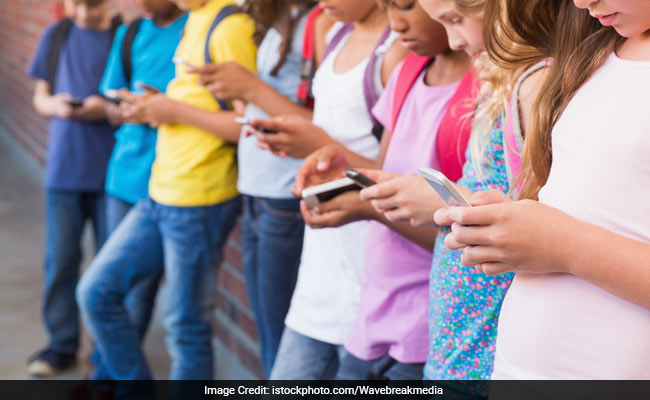
"We lost her, and she lost her childhood." These were the words of Amanda Miller, the mother of a 15-year-old girl who has been in the hospital for a year, undergoing treatment for acute mental health problems. Smartphone addiction has torn the teenager's world apart. Amanda now campaigns to ban the device for children in British schools. The Labour government is currently considering a ban on smartphones for children under 16 in schools.

In an interview with a TV channel, Amanda revealed that she reluctantly bought her daughter a smartphone for her 10th birthday, a decision she now regrets. Her daughter quickly became obsessed with the device. "She would come home from school and lock herself in her room with her phone. We completely lost her. Her mental health deteriorated-she started self-harming, became depressed, and suicidal to the point where she stopped eating. Eventually, she ended up in the hospital."

Amanda pleads with the UK Government to pass a law to help parents "bring their children back".

A Continental Epidemic 

Like Amanda, millions of parents across Europe are increasingly vocal about the damaging effects of smartphones on their children. Parent-led movements are pushing for stricter screen time regulations, and even bans in schools, calling for comprehensive policies to protect the next generation's future. More than 10,000 mothers with young children in Spain have created a WhatsApp group to inform one another of the state of their children's mental health and exchange tips on dealing with smartphone addiction. They want help from their government and demand legislation to ban smartphone use in schools.

This growing concern has sparked intense debates across Europe about how to address screen addiction among children. Movements advocating for phone-free schools are gaining momentum. In the absence of any legislation, some schools have started implementing smartphone-free classes and some others have completely banned phones in schools.

A Crisis In India

India's smartphone market has exploded in recent years, with no signs of slowing down. The youth, in particular, spend countless hours on their devices. Deloitte predicts that by 2026, India will be the second-largest smartphone market, surpassing one billion users, with rural areas driving sales
Indian youth are consumed by social media and smartphones, which have been linked to mental health problems like depression, anxiety, and social isolation. A Boston Consulting Group (BCG) study reveals that half of Indian consumers pick up their phones out of habit, often without purpose.

Researchers in India warn that more comprehensive studies are needed to understand the full impact of smartphones on children.

In response, both central and state governments have set up de-addiction and research centres focused on phone addiction. While the Indian government has taken steps to encourage responsible usage, more action is needed. In 2015, the Modi government introduced the Prevention of Addiction of Technological Gadgets Bill in the Rajya Sabha, but it's unclear whether it was ever passed into law.
Can we expect teenagers to resist what adults cannot?

Like millions of others, I rely on my smartphone for nearly every aspect of life-reading, writing, social media, internet browsing, and communication. I use it for payments, watching TV, and listening to music. With multiple OTT subscriptions, I have more content at my fingertips than I could ever use.
So, is it fair to expect teenagers to limit their screen time and curb their dependence on smartphones? Some experts argue that banning smartphones in schools is ineffective and anti-technology. Instead, they believe students should be educated on responsible usage. Others warn that a ban might lead to covert smartphone use or smuggling of devices into classrooms. The focus, they say, should be on teaching children the benefits of responsible use and the dangers of overuse.

The Scale Of The Problem

Amanda Miller believes smartphones are "killing our children, killing their youth, destroying their mental health". According to a study by the UK's broadcasting and telecommunications regulatory authority, Ofcom, "by the age of 12, 97% of children have their own mobile phones". Studies have shown that increased screen time negatively impacts mental health, academic performance, and social skills. Adolescents, in particular, are at risk of anxiety, depression, and sleep problems due to excessive smartphone use.

By 2022, as much as 68% of the global population used smartphones, and over 60% of people in many countries admitted to being addicted to their devices.

Smartphones have fuelled the rise of social media platforms, allowing celebrities to connect with their young fans. Cristiano Ronaldo, for instance, reached one billion followers across social media platforms in September, with a large portion of his fanbase being young adults. Other youth icons, such as Selena Gomez, Justin Bieber, and Taylor Swift, also have millions of followers, reinforcing the hold smartphones have over young people.

While smartphones offer practical benefits like communication and education, those opposing a ban argue that implementing it could brand Europe as anti-technology. However, the device's addictive nature, similar to gaming addiction, raises concerns. Last year, UNESCO called for a ban on smartphones in schools, and France has already enforced one. The UK is seriously considering banning smartphones for children aged five to 16 in schools, in addition to guidelines issued earlier this year supporting head teachers who prohibit mobile phones.

Some British schools have already banned smartphones with great success, seeing improvements in academic performance and reduced distractions.

An Experiment That Gives Hope

Recently, 10 teenagers from a Manchester school participated in a five-day experiment, swapping their smartphones for basic mobile phones that only allowed calls and texts. These boys and girls, aged 14 to 16, previously spent over 12 hours a day on their devices. While one participant demanded his smartphone back, the other nine completed the experiment. One boy reported better sleep and another girl shared that her relationship with her father improved as they spent more time talking. Though a small sample, the experiment suggested that life without smartphones is possible for even the most dependent teens. 

While the British government contemplates the ban a school trust in England with 35,000 pupils has just announced it is banning smartphones in all its 42 schools in England. The trust hopes that the ban will lead to higher academic achievement and improve the mental health of its pupils.

(Syed Zubair Ahmed is a London-based senior Indian journalist with three decades of experience with the Western media)

Disclaimer: These are the personal opinions of the author


from NDTV News- Topstories https://ift.tt/59hgYOv

Tuesday, September 17, 2024

"Maze Lene Do Unko...": Rohit Mocks Test Rivals Ahead Of Bangladesh Series

India captain Rohit Sharma gave a press conference in Chennai on Tuesday, ahead of the 1st Test against Bangladesh at the MA Chidambaram Stadium, starting Thursday. Team India will be back in action after a 45-day hiatus, while Bangladesh are coming off a triumphant 2-0 away Test-series win against Pakistan. However, in India, Bangladesh would be facing a different and much stronger challenge, with Rohit and his men currently sitting top of the ICC World Test Championship (WTC) points table.

Similarly, Rohit is also aware of the threat Bangladesh posses. However, India skipper came up with a save response when asked about Bangladesh's recent form.

"Sabhi teamo ko india ko harana hai, unhe india ko harane me maza ata hai, maze lene do unko (let them have fun), we will focus on how to beat them. We need to win the match and that's what we are here for. We can't think about what they have to think and say about us. When England came here, they said a lot of things too. But we didn't focus much on it. We needed to delivery results and that'll be out aim here as well. To play good cricket. India have played against a lot of teams recently and out combined aim is to win, rather than keep thinking about the opposition," Rohit said in a pre-match press conference on Tuesday.

On the other hand, Bangladesh head coach Chandika Hathurusingha feels playing against cricketing powerhouse India will give his team a fair assessment of where it stands internationally.

"We are encouraged by playing the best team in the world, and coming to India and playing against them is the best challenge you get nowadays. Playing against the best always gives you the perception of where you stand, and as sportspersons, we always look forward to it," said Hathurusingha, the former Sri Lankan all-rounder, who was appointed Bangladesh coach early last year, during a pre-match press conference on Tuesday.

Bangladesh, following the two-Test series against India, will also play three-T20Is starting October 6.

Hathurusingha, when asked if the Test series whitewash of Pakistan had created pressure of expectation on his side coming into the series against India, said that though the victories had boosted the team's confidence, it also knew its strengths and weaknesses.

(With PTI Inputs)


from NDTV News- Topstories https://ift.tt/HXvtV1G

Monday, September 16, 2024

Close-Up Shot Of Snow Leopard Captured By US Photographer Stuns Internet

Also known as the ''ghost of the mountains'', snow leopards are notoriously elusive and live in the snowy peaks of the Himalayas. Recently, a breathtaking photo shoot of a majestic snow leopard. gazing straight into the camera lens has left social media users spellbound. Captured in slow motion, the stunning visuals showcase the elusive cat's majestic beauty, leaving internet users mesmerised. The video was shot by acclaimed US wildlife photographer Chris Henry, who is known for his magnificent wildlife photographs and videos. 

''Locking eyes with a snow leopard,'' the video was captioned by Mr Henry. 

Watch the video here:

Since being shared, the post has been making waves on social media, garnering widespread admiration. While many have praised the exceptional detailing in the video, others can't help but gush over the snow leopard's fur. One user said, ''Incredible beauty'', while another commented, ''Heaven on Earth.''

A third said, ''Hunting eyes,'' while another wrote, ''A magnificent animal.''

According to the WWF website, snow leopards are thinly spread across 12 countries in central Asia, and it's at home in high, rugged mountain landscapes.  In India, snow leopards are mostly found in the high-altitude, mountainous Jammu and Kashmir, Himachal Pradesh, Uttarakhand, Sikkim, and Arunachal Pradesh. 

While they are found in 12 countries around the world, India is believed to have a population of 200 to 600 snow leopards across the western Himalayas. Snow leopards, like most cats, are solitary animals who are rarely spotted together. They are skillful predators, able to kill prey up to three times their weight in challenging terrain. They are rare species of wildlife that are highly threatened due to poaching for their skin, bones, and other body parts.


from NDTV News- Topstories https://ift.tt/5wipMQe

Sunday, September 15, 2024

Watch: Teacher Joins Student For Epic 'UP Wala Thumka' Dance, Wins Internet

A video featuring a student and his teacher dancing to the classic Bollywood song "UP Wala Thumka" by Govinda has gone viral, capturing the attention of social media users. The clip, from OP Jindal University in Chhattisgarh, was shared by Adarsh Ag on Instagram and has amassed 8.4 million views and over 1 million so far.

In the video, the student begins by showing off his dance moves before the teacher joins him on stage. Wearing matching black shirts and trousers, the duo impresses the audience with their coordinated steps and dynamic energy. At one point, the teacher adds extra flair by donning black sunglasses mid-dance, sparking loud cheers from the crowd.

Social media users praised the performance, with one commenting, "The teacher literally nailed it," and another adding, "He stole the show with his control and swagger." Many viewers expressed admiration for the fun teacher-student interaction, with one remarking, "Ek aisa college toh main bhi deserve karti hoon (I also deserve a college like this)."

"This is amazing! I've watched this video 7 to 8 times," one user wrote, while another said, "This is what swag looks like. Sir nailed it."

The song is featured in the film Hero No. 1, which follows the story of a wealthy business heir who undertakes household chores out of love. Under the guise of Raju, a versatile individual, he sweeps, mops, cooks, sings, and dances to win over his girlfriend's family.

Directed by David Dhawan, Hero No. 1 was released on February 21, 1997.


from NDTV News- Topstories https://ift.tt/0ZjKER8